
1/20/2026
Unlocking the Power of GPT-5: AI-Driven Innovation for Modern Businesses
Explore how GPT-5 transforms business innovation with advanced AI capabilities, practical integration tips, real-world applications, and ethical considerations for startups and enterprises.
NightCoders

Understanding AI GPT: The Backbone of Modern AI Solutions
AI GPT models have completely transformed the landscape of artificial intelligence by enabling machines to understand and generate human-like language. For entrepreneurs and startup founders, leveraging GPT technology means gaining access to conversational AI, advanced content generation, and intelligent automation with a much higher degree of contextual awareness. At its core, the Generative Pre-trained Transformer model (GPT) is designed to process massive datasets, learning patterns of language that are both complex and nuanced. This foundation makes AI GPT indispensable for building products that require natural language processing capabilities, ranging from chatbots to virtual assistants and beyond. The evolution toward increasingly sophisticated models like GPT-5 has pushed the boundaries of what AI can achieve, especially as new algorithms and training methods offer richer, more relevant responses for real-world business needs.
Recent advancements in GPT technology have made it more adaptable to various contexts while maintaining exceptional reliability and speed. GPT models now support multi-turn conversations, comprehend subtleties in user input, and adapt outputs based on prior cues, significantly enhancing user experiences. For founders working with experienced partners such as NightCoders - Launch your MVP in weeks, solutions built on AI GPT can be deployed rapidly, supporting everything from MVP testing to production-ready applications. When considering adopting AI GPT within your product strategy, understanding its architecture and possible business uses ensures you capitalize on the tool's full potential.
Evolution of GPT: From GPT-1 to GPT-5
The progression from GPT-1 to GPT-5 marks a decade of continuous learning and innovation in the AI sector. Each iteration has addressed limitations of prior versions while bringing significant technical upgrades. GPT-1 introduced the transformer architecture, enabling models to predict the next word in a sentence by understanding context. Subsequent models, especially GPT-2 and GPT-3, quickly gained notoriety for their ability to write coherent articles, generate code, and even hold meaningful conversations. These developments paved the way for GPT-4, which delivered marked improvements in reasoning, safety, and adaptability.
GPT-5 represents a significant leap forward due to its increased model size, fine-tuned training on more diverse datasets, and integration of reinforcement learning for better alignment with human intent. Users notice substantial advancements in areas such as factual accuracy, handling ambiguous queries, and generating industry-specific content. The difference between GPT-4 and GPT-5 is especially apparent in how the latter handles nuanced language tasks, interprets context, and executes more sophisticated prompts. Founders and product teams leveraging GPT-5 can rapidly prototype and deploy smarter workflows, encouraging faster innovation cycles and reducing the manual effort typically required to train AI solutions from scratch.
Key Features and Advantages of GPT-5
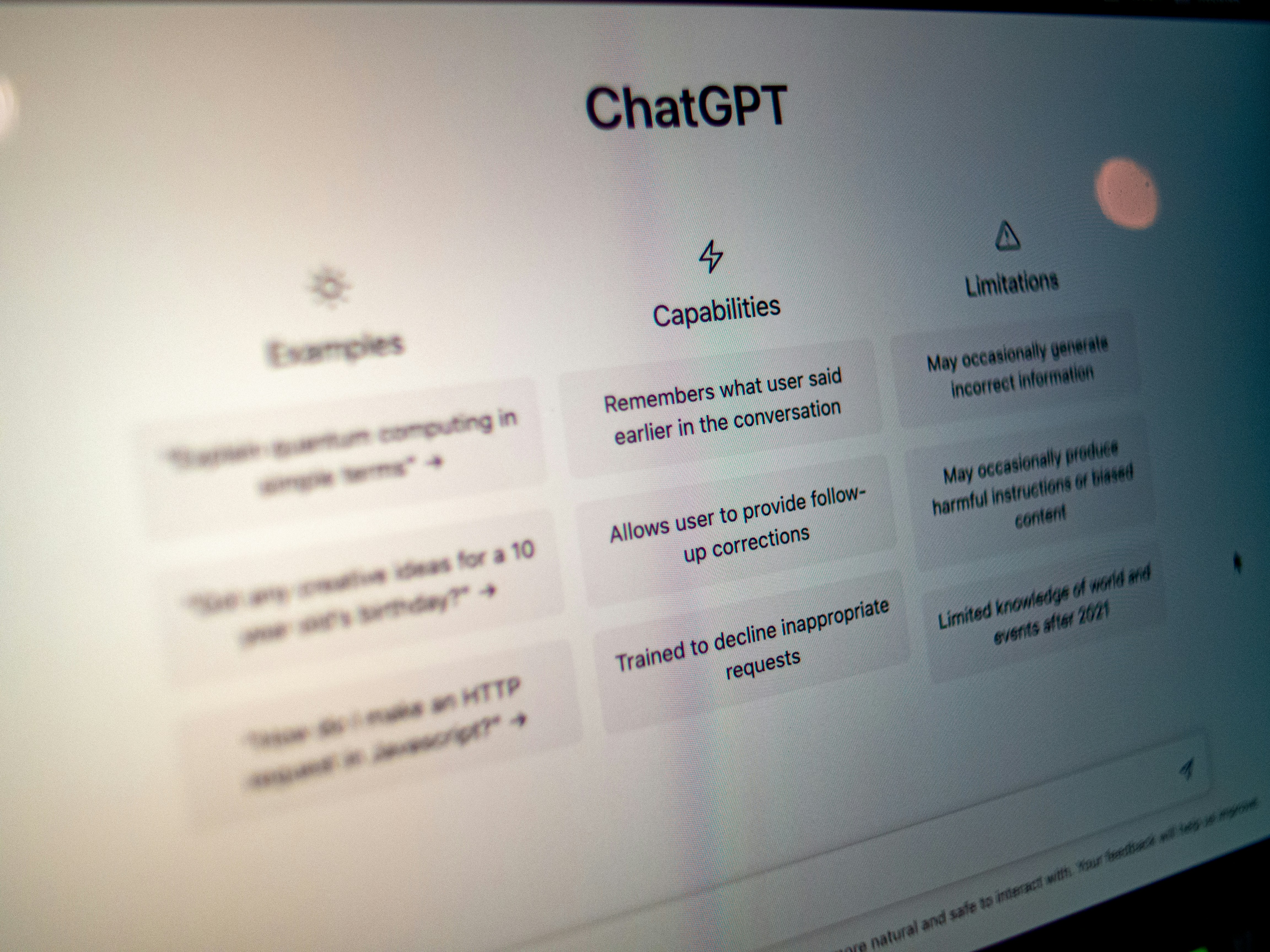
GPT-5 introduces a suite of features that elevate AI capabilities for both developers and end users. Enhanced natural language understanding, deep contextual reasoning, and customizability are some of the core improvements in this generation. One of the most attractive features of GPT-5 is its ability to be fine-tuned for domain-specific tasks, allowing businesses to tailor the AI’s outputs to their exact requirements. The improved training data diversity ensures that GPT-5 understands idiomatic trends and industry jargon, making it particularly effective for specialized customer interactions or technical document generation.
Another crucial advantage is cost efficiency. Modern model architectures are optimized for performance while reducing computational expenses, enabling more companies to access enterprise-grade AI without prohibitive investment. Security and privacy have also received substantial attention. GPT-5 employs safeguards to minimize bias and reduce the risk of generating inappropriate or confidential information. Startups working with NightCoders benefit from these advancements by launching MVPs that integrate AI capabilities quickly, providing rich conversational flows, detailed analytics, and better onboarding experiences for end users.
Best Practices for Integrating GPT-5 into Business Applications
Integrating GPT-5 into a business application requires thoughtful planning and strategic execution. The first step is identifying which processes or user interactions benefit most from AI-driven automation. For instance, implementing AI-powered customer service agents or intelligent content generators can reduce manual workload considerably while improving response times. When integrating the GPT-5 API, developers should follow best practices such as limiting sensitive data exposure, designing prompt templates for consistency, and setting appropriate response controls.
Comprehensive testing is vital to ensure that the AI outputs align with business objectives and maintain reliable quality across varied use cases. Continuous monitoring and feedback loops help refine the model's performance, especially when handling unexpected queries or complex requests. Organizations should provide clear documentation for any AI-driven function within their products so users remain informed about how their data is processed and safeguarded. By adhering to these guidelines, founders can maximize the impact of GPT-5 while maintaining trust and delivering consistent value to their customers.
Real-World Applications: Harnessing GPT-5 for Startup Success
The versatility of GPT-5 enables startups across different sectors to experiment with a range of innovative use cases. In customer support, AI-powered chatbots resolve common issues instantly and escalate complex problems when necessary, significantly improving user satisfaction metrics. Content-driven businesses leverage GPT models to generate blog posts, product descriptions, and even customized marketing emails, freeing up creative staff for higher-level tasks. Legal tech startups use the model for summarizing lengthy documents or extracting key contractual terms, accelerating time to insight for their clients.
Another compelling application is intelligent product onboarding and knowledge management. With GPT-5, MVP platforms can guide users through product features interactively, reducing friction during initial adoption and providing on-demand assistance. Healthcare startups deploy AI to triage patient inquiries, summarize electronic medical records, and assist with insurance claims, ensuring compliance while streamlining mission-critical workflows. The adoption by firms like NightCoders showcases how rapid, AI-driven product launches deliver measurable results by translating cutting-edge research into deployable business advantages.

Addressing Security and Ethical Considerations in GPT Adoption
As businesses integrate GPT-5 into their workflows, addressing security and ethical concerns becomes paramount. The sensitivity of language models to prompt injection attacks, data leakage, and unintentionally biased responses necessitates robust guardrails throughout the deployment lifecycle. Stakeholders must implement access controls, enable logging for audit purposes, and restrict model functionalities when interacting with confidential or personal data. Regular audits and vulnerability assessments help identify potential weaknesses and maintain compliance with regulatory standards.
Ethical considerations extend to how algorithms are trained and deployed. It is essential to monitor outputs for fairness and neutrality to avoid propagating existing biases or disseminating harmful content. Companies should be transparent with users regarding AI-driven processes and offer clear opt-out mechanisms where appropriate. Responsible AI use not only protects customers but also enhances credibility and fosters lasting trust between startups and their audiences. Prioritizing ethical deployment ensures that innovative AI like GPT-5 truly benefits users and society as a whole.
Future Insights: What Lies Beyond GPT-5?
While GPT-5 currently sets the standard for AI-driven language generation, research continues to explore new methods that might define future iterations of these models. Efforts are underway to incorporate external world knowledge more fluidly, allowing next-generation AI to reference real-time databases, respond dynamically to recent events, and deliver multi-modal outputs that include images, audio, or video alongside text. The fusion of different types of machine learning models promises richer, more context-dependent applications capable of powering advanced digital products.
For startups and established companies alike, staying attuned to these developments is critical for maintaining a competitive edge. AI-driven personalization, context-aware automated workflows, and real-time data integration are becoming the new norm. Organizations like NightCoders, accessible at https://nightcoders.id, exemplify how early adoption of advanced AI can dramatically shorten development cycles, facilitate rapid MVP launches, and drive sustained user engagement. Looking forward, business leaders can anticipate even more immersive and adaptable AI technologies that further blur the line between machine-driven and human creativity.
FAQ
1. How does GPT-5 improve on previous versions?
GPT-5 outperforms earlier models by delivering greater contextual understanding, accuracy, and customizability. It processes more diverse training data and incorporates advanced reinforcement learning, ensuring more relevant and precise responses for both general and industry-specific needs.
2. What are the top applications of GPT-5 in business today?
Leading use cases include automated customer support, intelligent content creation, virtual assistants, onboarding flows, and domain-specific document analysis. Startups also rely on GPT models for brainstorming product ideas, writing code snippets, and translating industry jargon.
3. Are there security concerns with using GPT-5 technology?
Yes, businesses must guard against data privacy risks, prompt injection attacks, and output bias. Implementing strict access controls, regular system audits, and responsible usage guidelines can help mitigate these risks and safeguard sensitive operations.
4. What is the best way to access and integrate GPT-5 into my product?
The most efficient approach is via the OpenAI API, which provides robust documentation and developer resources. Partnering with experienced AI product teams, such as NightCoders, can further streamline integration while ensuring optimal performance and scalability.
5. Can GPT-5 be fine-tuned for specialized tasks in different industries?
Absolutely, GPT-5 supports fine-tuning for custom datasets, meaning it can be optimized to understand industry-specific terminology or workflows. This enables startups to create highly personalized and effective AI applications tailored to their unique market demands.