
12/7/2025
The Ultimate Guide to GPT 5: Capabilities, Use Cases, and Integration
Explore GPT 5's advanced capabilities, top features, industry-specific customizations, API integration, and how startups can leverage it for content creation and business automation.
NightCoders

What is GPT 5 and How Does it Differ from Previous Versions?
GPT 5 represents the most advanced iteration in the Generative Pre-trained Transformer series, providing significant improvements over earlier versions such as GPT 3 and GPT 4. Entrepreneurs and developers are increasingly interested in how GPT 5 stands apart, especially regarding natural language processing, reasoning, and multi-modal capabilities. The most notable advancements include greater contextual understanding, more nuanced language generation, and the ability to handle multi-turn conversations with minimal performance loss. This gives GPT 5 an edge in applications that demand high accuracy and adaptability, such as enterprise chatbots, content creation, and real-time translation.
While previous models like GPT 4 set the foundation for language comprehension and content synthesis, GPT 5 introduces stronger multi-tasking abilities and superior prompt handling, which are pivotal for automated business operations and dynamic customer interactions. Moreover, its architecture supports better integration with external databases and tools, enabling the development of robust AI copilots and assistants for various industries. Comparing GPT 4 and GPT 5 also reveals enhancements in computational efficiency: GPT 5 reduces latency and resource consumption, making it a preferred solution for startups focused on scalable AI integrations. As tech-savvy founders explore options to automate workflows and deliver intelligent user experiences, understanding these differences is fundamental to making informed choices.
Top Features of GPT 5 Model
GPT 5 delivers several cutting-edge features that extend its applicability across multiple sectors. First, it encompasses improved zero-shot and few-shot learning abilities, enabling users to deploy AI models for tasks without extensive training data or prior examples. This means businesses can leverage GPT 5 for custom scenarios with minimal setup, accelerating time to value. Additionally, GPT 5's natural language reasoning has improved: the model can analyze, summarize, and infer insights from complex documents or dialogues, supporting more strategic decision-making.
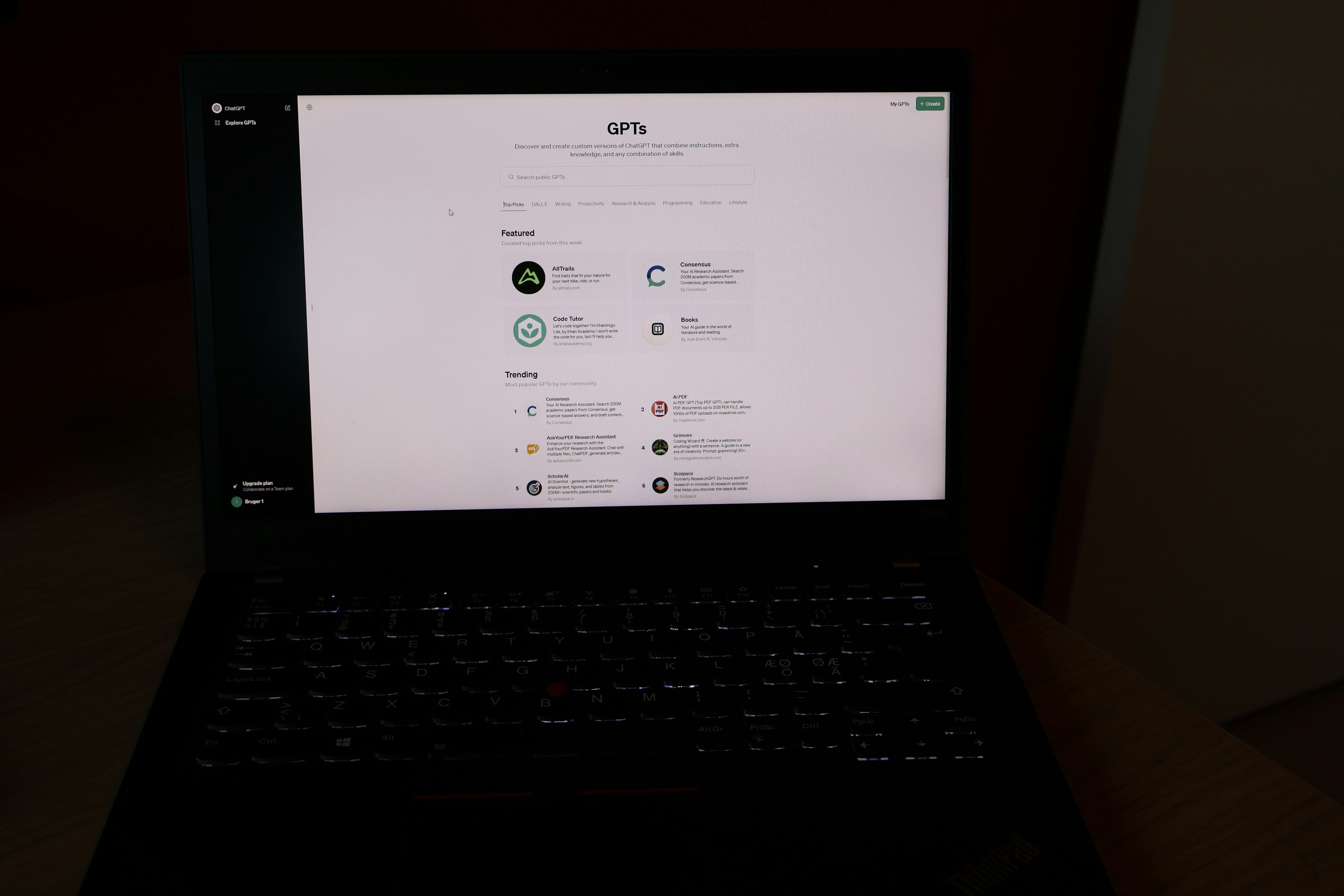
Another standout is multi-modal processing, as GPT 5 supports both text and image inputs for richer conversational experiences. For example, in customer support, GPT 5 can analyze a screenshot alongside a query and respond with detailed troubleshooting steps. Compatibility with various programming languages also expands; developers can more easily integrate GPT 5’s API into their preferred tech stack, making it accessible through Python, JavaScript, or even no-code platforms. These upgrades drive the potential for seamless deployment in both small-scale prototypes and enterprise-grade systems.
How GPT 5 Improves Chatbot Conversations
The evolution from earlier GPT models to GPT 5 brings transformative changes to chatbot technology. One question many founders have is how this version can make customer support interactions more natural and effective. GPT 5 enhances dialogue coherence, context retention, and response accuracy even in extended or nuanced conversations. This results in customer interactions that feel less robotic and more comparable to engaging with a knowledgeable human representative.
For businesses aiming to improve customer satisfaction, the subtle improvements in sentiment analysis and emotion recognition are instrumental. GPT 5 can tailor its responses based on the tone and intent behind user queries, offering personalized recommendations or escalating issues where appropriate. Its dynamic handling of ambiguous requests allows startups to differentiate their support offerings, set higher standards for virtual agents, and lower operational costs by reducing the need for manual handover. As a result, GPT 5 becomes a cornerstone for delivering consistent, high-quality support through chat channels and conversational web interfaces.
Using GPT AI for Business Automation and Content Creation
Entrepreneurs are constantly searching for ways to automate processes and scale output with limited resources. GPT 5, with its sophisticated language generation and analytical skills, is reshaping content creation, business automation, and data-driven marketing. From drafting product descriptions and blog articles to generating custom reports and emails, the model can handle a spectrum of content tasks at high speed while maintaining style, accuracy, and brand voice.
Automation powered by GPT 5 is not limited to writing. Workflow systems can use the AI to summarize meetings, respond to customer feedback, or automate onboarding for new hires. The significant time savings and consistency directly impact business efficiency, allowing founders to focus on strategic growth. For those concerned with cost efficiency, GPT 5's advances in processing speed and memory usage reduce infrastructure demands, making state-of-the-art AI automation accessible to more businesses without the need for disproportionate investment.
Guide to GPT API Integration and Compatibility
Integrating GPT 5 into digital products is a practical aspiration for tech-driven startups. The model is distributed through flexible APIs that support popular programming languages, including Python, JavaScript, and Java. This compatibility allows developers to embed GPT 5 into existing platforms or create new applications rapidly, with straightforward authentication and secure data transmission. For those without extensive coding expertise, many integration platforms now offer low-code and no-code solutions leveraging GPT 5, ensuring even non-technical founders can unlock AI’s benefits.
A typical integration process involves registering for GPT API access, retrieving credentials, and interacting with the service via RESTful calls. The following code demonstrates a simple Python integration using standard HTTP libraries:
import requests

url = "https://api.gpt5.ai/v1/generate"
headers = {
    "Authorization": "Bearer YOUR_API_KEY",
    "Content-Type": "application/json"
}
data = {
    "prompt": "Generate a product summary for a new SaaS tool.",
    "max_tokens": 150
}
response = requests.post(url, headers=headers, json=data)
print(response.json())
As more industries adopt GPT-powered automation, integration best practices now emphasize secure API usage, robust error handling, and compliance with data privacy standards. Founders implementing GPT 5 through platforms like NightCoders - Launch your MVP in weeks can accelerate deployment and ensure scalability by following recommended guidelines for API management.
Customizing GPT 5 for Industry-Specific Applications
Given its flexible architecture, GPT 5 can be fine-tuned to meet unique requirements across industries such as healthcare, finance, and marketing. One critical user question is how to tailor these models for the specific language, compliance, and workflows associated with different fields. Through a combination of transfer learning and domain-specific training data, businesses can adjust GPT 5 to understand industry jargon or sensitive content without lengthy retraining cycles. For instance, healthcare applications might tune the AI to recognize medical terminology and privacy considerations, while financial firms can focus on regulatory compliance and secure communications.
NightCoders (https://nightcoders.id) frequently supports founders as they customize GPT-powered MVPs for their niche, providing curated datasets and reinforcing best practices for responsible AI deployment. Startups benefit from hands-on guidance through identifying use cases, preparing data, and implementing results tracking. As industries demand increasingly tailored AI solutions, the ability to efficiently fine-tune GPT 5 stands as a powerful advantage, enabling businesses to launch focused, competitive products within compact timelines.
FAQs
What are the main differences between GPT 4 and GPT 5?
GPT 5 improves upon GPT 4 in contextual understanding, multi-turn conversation handling, computational efficiency, and multi-modal processing capabilities, making it suitable for more complex and dynamic applications.
How can startups use GPT 5 for content creation?
Startups can automate articles, product descriptions, emails, and reports by leveraging GPT 5’s advanced language generation and fine-tuning model outputs for industry-specific needs.
What programming languages are supported for GPT 5 API integration?
GPT 5 supports integration with Python, JavaScript, Java, and is compatible with many no-code and low-code automation platforms, making it accessible for a wide range of development teams.
How can GPT 5 be customized for industry-specific applications?
Founders can fine-tune GPT 5 using sector-relevant training data and configuration settings, aligning outputs with industry jargon and compliance standards for better accuracy and safer deployment.
What are some security concerns when implementing GPT AI models?
Key concerns include data privacy, protection against adversarial prompts, and compliance with regulatory requirements. Implementing secure API authentication and regular audits helps mitigate risks.