
12/2/2025
The Future of AI with GPT 5: Transforming Content Creation and Automation
Explore GPT 5's advancements in AI, its key features, real-world improvements over GPT 4, API integration, industry applications, pricing, ethical considerations, and best practices for content creation and automation.
NightCoders

What is GPT 5 and How Does It Differ from Previous Versions?
GPT 5 represents a major leap in artificial intelligence capabilities, with innovations that directly enhance natural language understanding and text generation. Unlike earlier models, GPT 5 offers improved context retention, more nuanced comprehension, and greater adaptability across a range of tasks. It can interpret complex instructions and generate human-like outputs, making it valuable for industries that rely heavily on communication and automation. For developers and businesses, GPT 5's extensive API support makes it easier to integrate with various systems, sparking new possibilities for automation and dynamic content creation. The advancements in computational efficiency and reliability also position GPT 5 as a preferred choice for those who need scalable AI solutions.
Key Features of GPT 5: What Sets it Apart in AI GPT Models?
GPT 5 introduces several advanced features that elevate its performance over previous GPT models. The model can process longer prompts and maintain coherent context throughout extended interactions. Its enhanced training dataset and fine-tuning capabilities enable it to provide more accurate and relevant responses across diverse subject areas. GPT 5 also showcases improved multilingual support, which allows for better communication and content generation in multiple languages. The model's safety and ethical alignment have been refined through robust monitoring and feedback mechanisms, reducing the incidence of biased or unreliable outputs. These features allow GPT 5 to lead in situations requiring trustworthy automation and natural-sounding text, making it indispensable for enterprises seeking state-of-the-art AI GPT tools for developers.
Comparing GPT 4 and GPT 5: What Are the Real-World Improvements?
The progression from GPT 4 to GPT 5 is evident in real-world deployments and user experiences. GPT 5 demonstrates faster response times and the ability to analyze more intricate data structures, making it suitable for both analytical and conversational applications. Where GPT 4 could struggle with maintaining coherence in multi-turn dialogues or complex content requests, GPT 5 maintains context and delivers high-quality results with greater consistency. Its advanced natural language understanding allows it to recognize subtler prompts and ambiguous queries, effectively reducing errors and manual corrections. In practice, these improvements translate to better productivity, more engaging user interactions, and broader application in educational, business, and creative domains.
GPT 5 API Access: How to Get Started and Integrate with Your Software
Securing access to the GPT 5 API is streamlined for both individual developers and enterprise teams. To get started, users typically sign up with a provider, request access, and review available pricing and subscription options before integrating the API. The process often involves generating an access key, specifying usage parameters, and testing endpoints to ensure compatibility with existing software infrastructure. Integration guides make it possible even for teams with minimal machine learning background to connect GPT 5 with workflow tools, content systems, or customer support platforms. By leveraging documentation and community support, businesses can unlock automation potential or craft bespoke AI-driven solutions, as demonstrated by innovative platforms like Nightcoders at https://nightcoders.id.
Top Applications Powered by GPT AI: Industry Use Cases and Examples
GPT 5 and related AI models are fueling rapid advances in industries ranging from healthcare to finance and entertainment. Businesses are using GPT-powered chatbots for 24/7 customer service, reducing response times and personalizing interactions. In content marketing, GPT 5 assists with article generation, product descriptions, and social media copy, optimizing output quality and consistency. Developers integrate GPT into code generation tools, speeding up prototyping and reducing manual script creation. Educational apps harness GPT for personalized learning journeys and tutoring, adapting content to each student's needs. Such versatility places GPT 5 at the center of digital transformation strategies, helping organizations remain competitive in a fast-evolving landscape.
GPT 5 Pricing and Subscription Plans: What to Expect for 2025
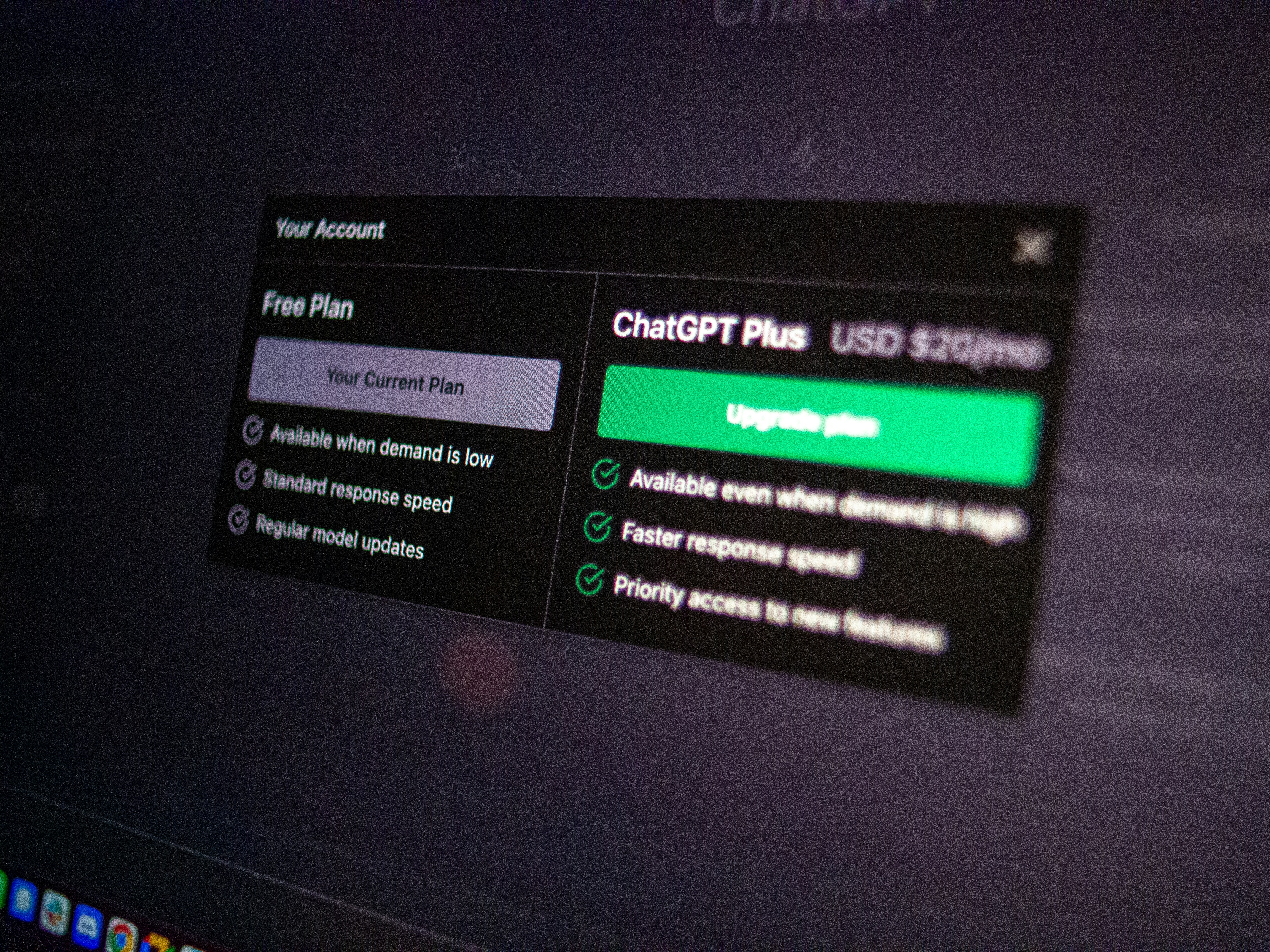
GPT 5 pricing structures reflect ongoing improvements in efficiency and accessibility. Subscription models often provide tiered access, with rates based on usage, API call volume, or premium feature requirements. Lower tiers enable startups and small businesses to experiment with powerful AI at manageable costs, while higher tiers offer priority support, increased throughput, and access to specialized models. Some providers offer pay-as-you-go options, making it feasible to scale usage along with business growth. Knowing these options allows organizations to forecast budgets and maximize return on investment, supporting steady adoption and integration of AI-driven workflows.
How to Use GPT 5 for Content Creation and Automation
Leveraging GPT 5 for content creation starts with understanding prompt engineering, which involves crafting detailed, context-rich instructions. Marketers use GPT 5 to draft SEO-optimized blog posts, product explanations, and ad copy by supplying clear prompts and reviewing generated drafts for tone and accuracy. Automating repetitive writing tasks frees up creative resources and ensures consistency across channels. For more complex automation, businesses can embed GPT 5 into workflow tools, automatically responding to common customer inquiries or generating personalized emails. Such approaches transform content production from a manual, time-consuming process to an agile, high-output system empowering both writers and strategists.
Advantages and Limitations of GPT 5: What Users Should Know
GPT 5's strengths include unprecedented language fluency, adaptability to niche domains, and scalable automation for both small and large teams. Reliability has improved, with the model producing contextually relevant responses even in multi-step processes. However, like all AI models, GPT 5 has limitations, especially regarding nuanced judgment, sarcasm, or information not present in its training data. Excessive reliance on machine outputs without human oversight can lead to errors, so best practices recommend regular review of generated content. Understanding these factors helps maximize GPT 5's benefits while maintaining quality and compliance standards in diverse business applications.
Tutorials and Best Practices: Building a Chatbot or Training Custom GPT Models
To build a robust chatbot with GPT 5, developers start by identifying common user queries and crafting representative conversation flows. Feeding these into prompt templates enables the chatbot to generate relevant and friendly responses. Advanced teams can fine-tune GPT 5 on proprietary data, tailoring outputs to reflect brand values and unique communication styles. Best practices include monitoring interactions, updating prompt libraries, and training on segment-specific data to increase accuracy. Experimentation and iterative deployment ensure the chatbot continuously improves, meeting evolving user demands efficiently and reliably.
# Example: Simple API call to GPT 5 endpoint
import requests

payload = {
    "prompt": "Write a welcome message for new users.",
    "max_tokens": 50
}
headers = {"Authorization": "Bearer YOUR_GPT5_API_KEY"}
response = requests.post("https://api.gpt5provider.com/v1/complete", json=payload, headers=headers)
print(response.json())
Ethical Considerations and Future Outlook: Responsible Use of GPT AI
With the growing power of GPT models, ethical considerations are integral to responsible deployment. Addressing data privacy, reducing bias, and ensuring transparency in outputs have become central aspects of GPT 5's design and use guidelines. Organizations are encouraged to implement monitoring systems to catch and mitigate unintended consequences, especially in sensitive applications. Initiatives around explainability help users trust AI-generated content and make informed decisions based on its suggestions. As technology advances, the future of GPT AI promises more proactive guidance and self-correcting mechanisms, enabling humans and machines to collaborate safely and effectively.
Frequently Asked Questions
1. What are the main improvements in GPT 5 compared to previous versions?
GPT 5 delivers faster responses, retains context over longer conversations, and produces more accurate, natural language output. It also features improved multilingual support and refined safety mechanisms.
2. How do I obtain access to the GPT 5 API for my project?
Developers can sign up with a provider offering GPT 5, request API access, and follow the registration and integration guidelines. The process is straightforward and supported by extensive documentation.
3. Can GPT 5 be used to automate business processes?
Yes, GPT 5 excels at automating workflows, from customer support chatbots to content generation and data analysis, thanks to its flexible API integration and advanced language understanding.
4. Are there limitations to using GPT 5 in critical applications?
Despite its advanced capabilities, GPT 5 may not always understand specialized jargon or nuanced intent, so human oversight and quality checks are recommended, especially in regulated or sensitive fields.
5. What are the pricing options available for GPT 5 services?
Pricing typically depends on usage volume and feature access, with options ranging from entry-level subscriptions for smaller teams to enterprise plans with enhanced support and capacity.