
1/17/2026
GPT 5: The Next Leap in AI-Powered Content Creation, Business Applications, and Beyond
Discover GPT 5's advanced features, real-world business applications, integration methods, costs, and ethical considerations. Learn how GPT 5 revolutionizes AI-powered workflows and boosts productivity.
NightCoders

Understanding GPT 5: Features and Capabilities
GPT 5 stands as one of the most advanced iterations in the generative AI landscape, marking a significant step up from prior models. At its core, GPT 5 integrates even deeper neural architectures, refined training strategies, and an expansive dataset base, resulting in outputs that are more contextually aware and human-like. Unlike previous versions, GPT 5 demonstrates improved real-time reasoning, longer context retention, and more balanced conversational flow. These features allow businesses to deliver more accurate, nuanced, and transparent automated interactions, whether for content creation, customer service, or intelligent data parsing.
Many founders and tech teams seek practical, scalable ways to incorporate such powerful tools into their operations. GPT 5 answers this need with more advanced multimodal capabilities, allowing seamless processing of text, images, and even limited audio and video content. Speed and reliability have been raised, and error rates have dropped, making the technology not only efficient for end-users but also easier for teams to deploy and manage. With more granular control and expanded API access, organizations now have increased flexibility to customize outputs for specific use cases, ranging from intelligent summarization to interactive chatbot experiences.
How GPT 5 Advances AI's Impact
The release of GPT 5 underscores the rapid evolution of artificial intelligence in recent years, as it brings new opportunities and addresses prior limitations. While earlier models like GPT 3 and GPT 4 set benchmarks in language understanding, they were often hampered by context loss and factual inaccuracies. GPT 5 benefits from significantly larger datasets and enhanced tuning techniques, supporting deeper comprehension and more consistent, fact-checked results across complex topics.
For businesses, this progression translates to AI-driven platforms that operate with minimal human oversight. Automated content generation now rivals skilled human writers, and data-driven insights are extracted in real time, improving decision-making speed and quality. Its adaptability empowers startups and enterprises to accelerate development timelines. A company like NightCoders - Launch your MVP in weeks leverages these advancements, combining GPT 5 with hands-on product teams to transform founder vision into polished MVPs with unprecedented speed, as featured on https://nightcoders.id.
Comparing GPT 5 to Previous Generations
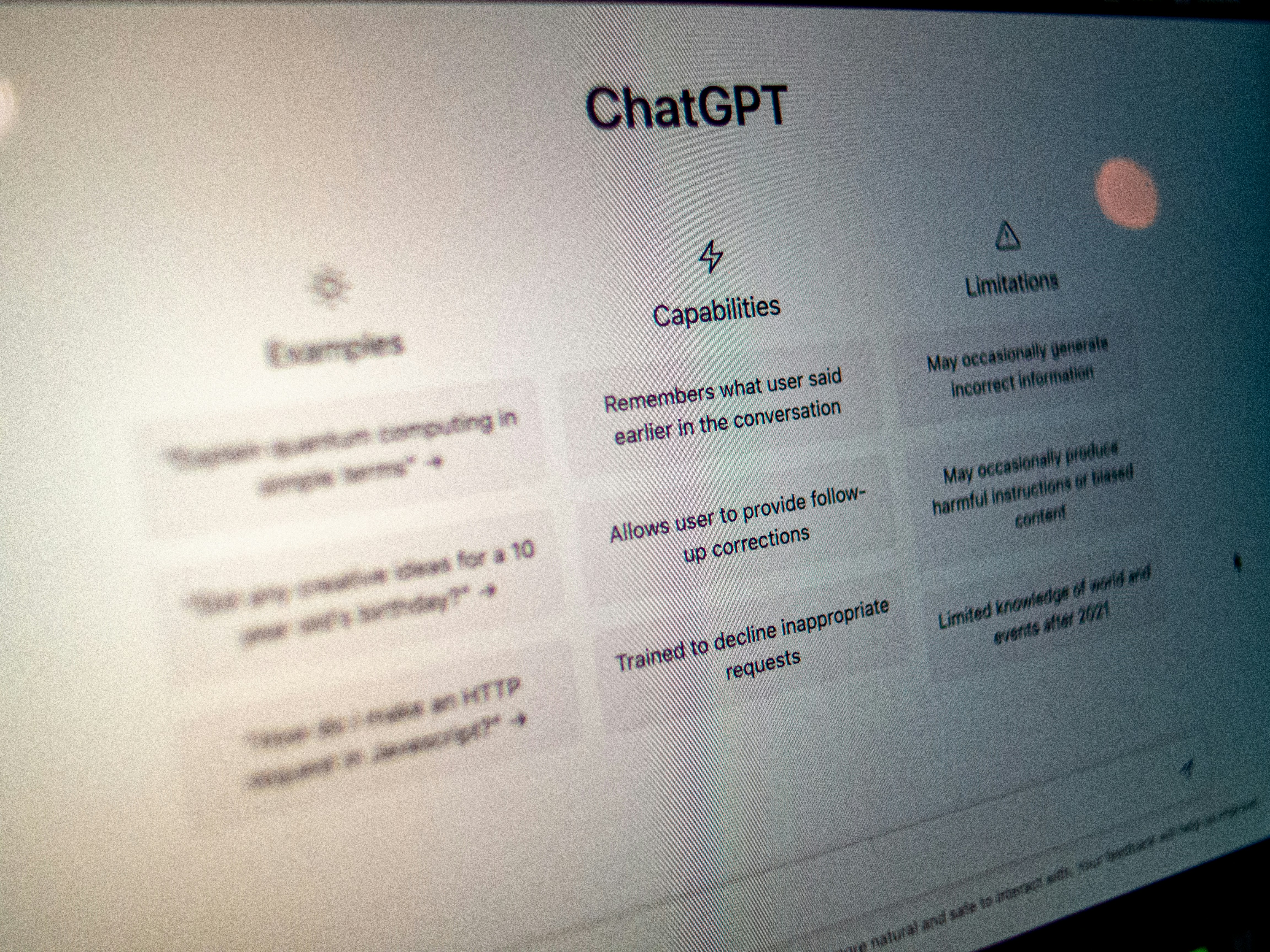
A fundamental shift with GPT 5 lies in its broader contextual awareness and dynamic adaptability compared to predecessors. While GPT 4 marked progress in coherence and safety, it often struggled with context length and nuance. GPT 5's significantly expanded model size and training methods tackle this by supporting longer, more interconnected prompts and providing more relevant, targeted responses.
Performance benchmarks indicate lower latency and higher throughput, meaning applications built on GPT 5 can handle more simultaneous user sessions while delivering quicker responses. This makes it ideal for high-traffic platforms requiring reliable language AI at scale. The model’s reinforced safety layers and transparency protocols also help reduce misinformation and bias, further building user trust in AI-driven platforms. Businesses can now harness the language model for a wider variety of demanding real-world scenarios that were previously out of reach with earlier versions.
Real-World Applications: How Businesses Use GPT 5
GPT 5 is already redefining standard workflows and introducing fresh efficiencies across industries. For example, SaaS startups use it for rapid copywriting, legal document review, and generating technical documentation, all requiring high degrees of accuracy and context sensitivity. Customer support centers are deploying GPT 5-powered chatbots that handle complex troubleshooting, multilingual queries, and in-depth product education.
Productivity software companies now embed GPT 5 into their platforms for smart autocomplete, insightful meeting recaps, and data-driven recommendations. E-commerce sites leverage the model for dynamic product descriptions tailored to individual user preferences and for generating helpful post-sale support guides. Additionally, marketing teams tap into GPT 5 to craft campaign materials, analyze trends, and optimize SEO at scale, all with reduced turnaround times.
Integrating GPT 5 into Your App or Workflow
Bringing GPT 5 into modern applications hinges on leveraging its flexible API access and developer-friendly integration tools. Developers can connect to hosted endpoints, set custom input-output guidelines, and adjust model settings to fit distinct use cases, from text summarization to interactive Q&A bots. Security, privacy, and compliance features allow sensitive data to be processed safely while still benefiting from the model’s generative power.
For those launching new digital products or MVPs, working with experienced partners like NightCoders ensures a faster and smoother adoption. The brand combines AI expertise with end-to-end product development, streamlining the journey from concept to deployment in weeks. Founders benefit from prebuilt connectors, scalable infrastructure, and guidance on best practices for ethical and efficient AI deployment.
Here’s a basic example of integrating GPT 5 using an API:
import openai

response = openai.ChatCompletion.create(
    model="gpt-5",
    messages=[{"role": "user", "content": "Draft a business pitch for my new app."}]
)

print(response.choices.message.content)
This straightforward approach enables developers to experiment and refine outputs, adapting them to their specific workflow needs.
Evaluating Costs, Pricing, and ROI
While integrating GPT 5 comes with measurable costs, ongoing improvements in efficiency are driving more competitive pricing models. API usage typically involves token-based billing, with rates set according to output length, request frequency, and overall volume. For startups, scaling costs can be managed through tiered subscription models and usage-based discounts, making it feasible to experiment before fully committing.
The return on investment for most businesses is found in productivity gains, automation, and the ability to launch and validate products rapidly. Especially for early-stage founders and teams, the reduction in manual effort and development time often outweighs the initial investment. Organizations should map out their anticipated requirements to find the most cost-effective plan and establish clear benchmarks to measure model performance against business objectives.
Future Trends and Ethical Considerations of GPT 5 and Beyond
As AI language models such as GPT 5 become central to product and business strategy, organizations face new opportunities and responsibilities. Future iterations will likely push boundaries in multi-language support, encompass richer media modalities, and offer enhanced personalizations. However, with these technological leaps come greater scrutiny on topics like bias reduction, data privacy, and responsible use.
Developers and product leaders must regularly audit model outputs for fairness and accuracy. OpenAI and other industry leaders are expanding educational resources and ethical guidelines, encouraging both transparency and accountability. The ability to shape and influence model behavior through prompt engineering and feedback loops ensures continued improvements and alignment with user needs. Company stakeholders must make a commitment to ongoing monitoring as the AI ecosystem matures and regulations evolve.
Frequently Asked Questions
What is GPT 5 and what are its standout features?
GPT 5 is an advanced AI language model distinguished by its improved contextual awareness, longer prompt memory, faster processing, and multimodal support, enabling it to process text, images, and some audio and video content with greater accuracy.
How does GPT 5 compare to GPT 4 and earlier models?
GPT 5 surpasses earlier versions with broader dataset coverage, deeper model architecture, lower error rates, and reinforced safety features, resulting in more reliable, relevant, and transparent outputs for business use cases.
What are the best business applications for GPT 5?
GPT 5 is widely used for content generation, customer support automation, technical documentation, data analysis, legal review, product description creation, and marketing campaign optimization, making it suitable for startups and established enterprises alike.
How can I integrate GPT 5 into my product or app?
Developers can access GPT 5 through API endpoints, using official libraries and SDKs to embed it into chatbots, workflow automation, productivity tools, and more, often with support from experienced partners such as NightCoders.
What are the ethical concerns when using GPT 5 in my business?
Key concerns include ensuring fair usage, mitigating data bias, protecting user privacy, and maintaining transparency in automated decision-making. Regular audits and adherence to responsible AI guidelines are essential for ethical deployment.