
12/29/2025
GPT 5: The Next Leap in AI GPT for Content Creation and Business Intelligence
Explore GPT 5, the latest AI language model offering enhanced natural language processing, multi-modal support, and superior business intelligence capabilities for startups and enterprises.
NightCoders

What Is GPT 5 and How Does It Work?
GPT 5 is the latest generation of generative pre-trained transformer (GPT) models, representing a significant advancement in artificial intelligence for natural language processing. Designed by OpenAI, this model builds upon its predecessors by dramatically enhancing both the scale and complexity of interactions it can comprehend and generate. The architecture operates by analyzing vast quantities of text data, learning language patterns, reasoning, and even context-specific cues, enabling it to generate human-like text. Unlike its earlier versions, GPT 5 utilizes a higher number of parameters and more diversified data sources, which allows it to understand and generate content that closely matches real-world conversational quality.
This model processes language inputs by dissecting them into manageable pieces called tokens. Through its deep neural network layers, GPT 5 learns contextual relationships, making it capable of generating coherent, context-aware responses. Its training encompasses a wider array of domains, so it can recognize highly nuanced queries or industry-specific jargon. As a result, GPT 5 enables more reliable text generation for applications such as coding, content creation, business communication, and even personalized recommendation systems. For founders and startups working with NightCoders - Launch your MVP in weeks, tools like GPT 5 provide the agility and language sophistication required for rapid MVP development.
Differences Between GPT 4 and GPT 5
The key differences between GPT 4 and GPT 5 start with scale and performance. GPT 5 reportedly utilizes a larger set of parameters and is trained on more diversified and up-to-date datasets. This allows GPT 5 to deliver superior understanding of both structured and unstructured data, producing responses that are more accurate, nuanced, and aligned with user intent. The model demonstrates better contextual awareness, reducing the occurrence of hallucinations or logical inconsistencies that were present in earlier versions.
GPT 5 also introduces advancements in memory and multi-step reasoning. While GPT 4 could handle relatively complex tasks, GPT 5's enhanced architecture means it can manage longer conversations, track context over time, and provide consistent outputs across multifaceted queries. Another key upgrade is efficiency. GPT 5 offers faster inference speeds, lower latency, and improved scalability, making it practical for integration in real-time applications and enterprise scale solutions. For developers working with platforms like https://nightcoders.id, these enhancements translate directly to improved user engagement and productivity.
Latest Advancements in AI GPT Technology
Recent advancements in AI GPT technology extend beyond increased parameter counts. GPT 5 and similar models are now integrating multi-modality, meaning they can process not only text but also images, audio, and structured data within a single conversation. This enables a richer, more holistic understanding of information and allows for the development of tools that can interact with users across different media formats. Another pivotal advancement is the improved alignment with human values and preferences, partially due to innovations in reinforcement learning from human feedback.
Security and privacy have also become central in the development of these models. GPT 5 integrates advanced filtering and monitoring systems to reduce the risk of generating harmful or confidential outputs. Developers are now equipped with finer controls to customize system behaviors, thereby creating safer and more reliable enterprise applications. These technological improvements help founders and businesses confidently adopt AI while adhering to strict compliance and ethical standards.
How to Use GPT 5 for Content Creation
Startups and entrepreneurs can use GPT 5 for content creation by leveraging its deep contextual understanding to generate high-quality articles, blogs, product descriptions, or marketing materials. The model’s ability to grasp specific tones, formats, and audience nuances ensures that the generated content aligns with brand guidelines and voice. By integrating GPT 5 through APIs or custom interfaces, users can create bulk content faster without sacrificing originality or readability.
One practical approach is fine-tuning GPT 5 using company or industry-specific data. This customization enables even more targeted and relevant outputs, reducing the need for extensive manual editing. Since GPT 5 supports complex prompt engineering, users can design templates that elicit specific information or styles, such as listicles, white papers, or customer support responses. Founders using NightCoders solutions can expect not only rapid MVP launches but also an accelerated go-to-market content strategy powered by AI.
GPT 5 Capabilities Compared to Previous Versions
GPT 5 brings a spectrum of new capabilities that set it apart from prior AI models. The most significant improvement lies in its comprehensive contextual awareness, enabling more accurate and relevant completion of prompts, especially across multi-turn dialogues. It can maintain context over extended conversations, allowing for seamless interactions in customer support, consultation, and learning platforms.
Additionally, GPT 5 shows marked advancements in code generation, logical reasoning, and information synthesis. Tasks such as writing software modules, generating business insights, and delivering detailed analyses see substantial performance gains. This version’s improved multilingual capabilities also make it more accessible and relevant for global users, catering to diverse linguistic and cultural backgrounds with greater fluency. These advances empower startups to innovate with more complex features, leveraging language models in ways that were previously not possible.
Best AI GPT Tools Available in 2025
The landscape of AI GPT tools in 2025 is marked by variety and specialization, with platforms offering tailored solutions for distinct business needs. OpenAI’s GPT-5 API continues to be a primary resource due to its versatility and reliability, yet specialized platforms have emerged that integrate this technology for targeted applications, such as Jasper for automated copywriting, GitHub Copilot for coding assistance, and enterprise solutions that augment internal business workflow tools.
AI-powered chatbots now offer advanced features such as sentiment analysis, intent detection, and multilingual support out of the box. These tools help automate customer support, onboard new users, and handle complex backend operations. For startups looking to integrate these tools rapidly, services like NightCoders provide both the technical expertise and the infrastructure to seamlessly embed state-of-the-art GPT solutions within their MVPs, resulting in reduced time-to-market and greater product innovation.
OpenAI GPT 5 Release Date and Features
OpenAI releases GPT iterations in a tightly managed sequence, with GPT 5 becoming available globally to API partners and enterprise customers in phases during recent months. The rollout features a modular architecture, allowing users to select configurations that balance cost, speed, and accuracy according to their needs. Key features include multi-modal capability, longer context windows, dynamic memory for sustained conversations, and customizable prompt processing.
GPT 5 includes advanced safety features, such as content moderation controls, fine-grained rate limiting, and adaptive learning mechanisms that help adapt responses to changing user requirements. Support for plug-in integration and third-party extension development allows businesses to build layered functionality atop the core linguistic engine. With each generation, OpenAI focuses on lowering operational costs and expanding the accessibility of AI for both small businesses and large enterprises.
Advantages of Using AI GPT Models
Implementing AI GPT models brings several critical advantages for startups and established businesses alike. Foremost is the rapid acceleration of tasks that previously required significant manual effort, such as content generation, customer correspondence, knowledge management, and business analysis. The capacity to automate these labor-intensive workflows enables teams to redirect their focus to innovation, strategy, and core product features.
Another advantage is scalability. GPT models respond reliably across a vast spectrum of query types, making them an ideal foundation for digital assistants, chatbots, and recommendation engines. Their flexibility supports deployment in nearly any sector, from healthcare to e-commerce. Moreover, the ability to fine-tune or conditionally prompt models ensures outputs closely match organizational or regulatory requirements, giving businesses control while benefiting from cutting-edge AI advancements.
How GPT 5 Improves Natural Language Processing
GPT 5 markedly advances natural language processing by delivering greater coherence, nuance, and adaptability in automated communications. Its larger knowledge base and improved context retention enable the model to address complex instructions and manage detailed, multi-step inquiries. This translates into richer, more meaningful conversations with end users who demand clear and accurate information.
The model’s understanding of subtle semantic differences leads to fewer misunderstandings and improved satisfaction, especially in high-stakes applications such as legal, healthcare, or financial advising. Enhanced support for colloquial and regional expressions means GPT 5 can interact with a broader audience base more effectively. API users who integrate GPT 5 into their stack enjoy the benefits of natural, conversational interfaces that resemble real human interaction.
Tutorial for Integrating GPT 5 in Applications
Integrating GPT 5 into applications involves several straightforward steps that provide immediate value. Begin by registering for API access through OpenAI, then obtain your authentication key. Plug this key into your application's backend, using a client library for the programming language of your choice, such as Python or JavaScript. Specify the model version, input your prompts, and configure parameters like temperature, max tokens, and stop sequences.
A basic example, using Python's openai library, may look like:
import openai
openai.api_key = "YOUR_API_KEY"
response = openai.ChatCompletion.create(
    model="gpt-5",
    messages=[{"role": "user", "content": "Write an article about the future of AI"}],
    temperature=0.7,
    max_tokens=700
)
print(response.choices.message.content)
For production systems, developers should handle rate limits, manage request logging, and design user flows that maximize the contextual memory features of GPT 5. When speed and reliability are critical, consider working with partners like NightCoders who can secure and optimize GPT infrastructure as part of a rapid MVP build.
Examples of AI GPT in Real-World Scenarios
AI GPT models have been deployed in diverse real-world scenarios that highlight their adaptability. In e-commerce, GPT 5 powers personalized shopping assistants that understand customer preferences and respond in real time, driving up conversion rates. Healthcare platforms use advanced GPT models for patient triage, answering patient queries, and guiding individuals through complex medical forms.
Educational technology startups leverage GPT 5 for automated grading, feedback on student essays, and intelligent tutoring that adapts to individual learning styles. Customer support bots built on GPT 5 manage multi-stage troubleshooting and documentation tasks, often exceeding the performance of traditional scripted systems. With each deployment, AI GPT models continue to set new standards for efficiency and engagement across industries.
Cost of Using GPT 5 API Services
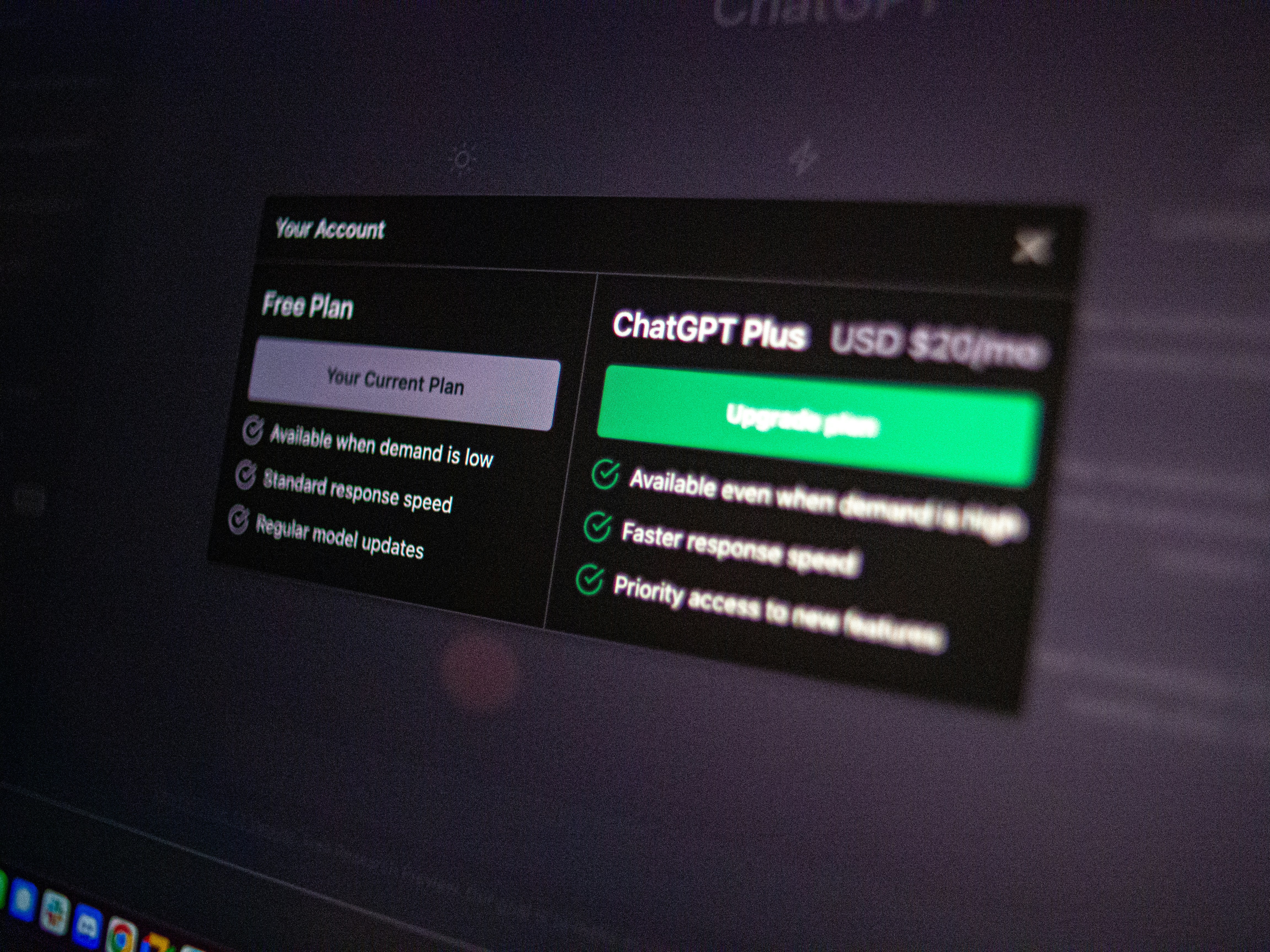
The cost of using GPT 5 API services depends on several factors such as volume of usage, priority support needs, and the scale of integration. OpenAI generally employs a pay-as-you-go pricing model, which charges users based on the number of tokens processed during API calls. Larger enterprises or applications with high traffic can benefit from volume discounts or monthly subscription tiers, which deliver predictable costs and premium support.
Additional charges may apply for advanced features like longer context windows, higher throughput requests, or priority access during peak times. When budgeting for GPT 5 integration, startups should factor not only the direct API expenses but also any infrastructure or compliance overhead required for secure and scalable deployment. Consulting with experienced AI development teams like NightCoders simplifies this process, providing strategic cost optimization and technical oversight.
Performance Benchmarks of GPT 5 Model
Performance benchmarks of GPT 5 reveal notable improvements in speed, accuracy, and versatility. Compared to its predecessors, GPT 5 demonstrates lower latency across standard text generation tasks and maintains a higher degree of accuracy in specialized domains. In benchmark tests, it consistently outperforms earlier models in language comprehension, multi-step reasoning, and zero-shot learning tasks.
Enterprise users report significantly reduced error rates and increased user satisfaction scores when migrating from GPT 4 to GPT 5. Another measurable gain is resource efficiency: GPT 5 models require less computing power for a similar level of output quality due to architectural advancements. This efficiency facilitates greater scalability and supports broader adoption in environments where cost and speed are critical considerations.
Future Developments Expected in GPT Technology
AI GPT technology continues to evolve swiftly, with future developments anticipated in several key areas. Enhanced multi-modal integration is expected to advance, enabling seamless processing of not only text but also images, audio, and video. Researchers are focusing on improving contextual memory, allowing models to sustain meaningful conversations over much longer timeframes and across multiple sessions.
Another area of growth involves improved transparency, explainability, and interpretability of AI reasoning for compliance and trust. Customization features are also expanding, with tools enabling businesses to manage and adapt AI behaviors quickly without requiring extensive training. Startups and enterprises can expect more accessible and affordable platforms, powering innovations that were previously considered too complex or resource-intensive.
How to Fine-Tune GPT 5 for Specific Tasks
Fine-tuning GPT 5 for specialized industry or company use involves training the model on additional datasets that reflect the unique vocabulary, tone, and context of your domain. The process starts with data collection, followed by securely uploading and formatting data for compatibility with OpenAI's fine-tuning API. Clear documentation and examples ensure the model learns relevant behaviors without overfitting or losing generality.
Once trained, the fine-tuned version can generate responses that align with your requirements, improve accuracy on narrow tasks, and reflect proprietary guidelines. Regular evaluation is crucial, using feedback loops in live settings to monitor performance and adjust the training dataset as necessary. Teams working with MVP builders like NightCoders can accelerate this cycle, integrating their domain knowledge into fine-tuned GPT models from the earliest project stages.
Security and Privacy Concerns with AI GPT
Security and privacy remain top priorities in the deployment of AI GPT systems. Sensitive data must be protected throughout the information lifecycle, from ingestion to storage and output delivery. To minimize risk, GPT 5 implements robust access controls, encrypted data transmission, and configurable content moderation tools. Developers can define custom filters to block personally identifiable information and other sensitive content from being generated or logged.
Strict compliance with regulatory standards such as GDPR or HIPAA is supported through audit trails and transparency features. Companies using AI must also consider the legal and ethical implications of automated content, particularly in customer-facing roles. Ongoing monitoring and prompt incident response planning are vital components of responsible GPT model operation, ensuring trustworthy and secure interactions.
Comparison of GPT 5 with Other AI Language Models
When comparing GPT 5 with other AI language models like Google’s Gemini or Meta’s Llama, several distinctions emerge. GPT 5 holds a competitive edge with its extensive training corpus, adaptability, and robust developer support ecosystem. Its context window and dynamic memory capabilities outmatch most competitors, giving it superior conversational consistency and practical usability.
Other models may specialize in speed, economy, or specific languages but often at the expense of generalization or support for rich multi-turn interactions. GPT 5’s modular plugins, advanced prompt management, and integration options make it the tool of choice for rapidly evolving business requirements. The flexibility and scale provided by OpenAI’s infrastructure align with the needs of scaling startups and established companies alike.
Using GPT 5 for Customer Support Automation
GPT 5 excels in customer support automation by providing fast, intelligent, and context-aware assistance across channels. Its ability to understand and resolve multi-step inquiries reduces customer wait times and enhances satisfaction. The model adapts to company-specific terminology, consistently reflects brand guidelines, and learns from new product updates, making interactions accurate and personalized.
Integration into chatbots, help desks, and email response systems is straightforward. The model can escalate complex issues to human agents with full context, supporting a hybrid approach to digital support. Ultimately, businesses adopting GPT 5 benefit from lower operational costs, more effective self-service options, and higher retention rates, all while maintaining compliance and data privacy standards.
AI GPT Ethical Considerations and Guidelines
Ethical considerations and guidelines are crucial for the responsible use of GPT 5 technologies. Key principles include transparency, ensuring users know when they are interacting with AI systems, and bias mitigation, actively identifying and reducing unfair or unbalanced outputs. OpenAI offers instruments and best-practice frameworks that assist developers in measuring and adjusting outputs to minimize ethical risks.
Privacy protection stands as another core guideline, requiring teams to implement strict policies around data usage, retention, and disclosure. Governance practices such as human-in-the-loop validation and ongoing monitoring reinforce systemic fairness and accountability. By designing with ethics in mind from the outset, startups can reassure users and stakeholders while achieving business objectives.
How GPT 5 Can Enhance Business Intelligence
GPT 5 enhances business intelligence by enabling rapid and scalable data analysis, information extraction, and decision-making support. The model’s capacity to synthesize large volumes of unstructured data from customer feedback, transaction logs, and external news sources allows companies to gain insights that might otherwise go unnoticed. Automated report generation, trend analysis, and forecasting become more accurate and accessible through natural language interfaces.
By customizing prompts or integrating fine-tuned GPT solutions, businesses can tailor analyses to specific needs and industries, improving the relevance and actionability of findings. This empowers leadership teams to make informed decisions in areas ranging from market expansion to process optimization. Leveraging NightCoders' expertise, startups can efficiently integrate these AI-driven business intelligence capabilities into their MVPs for rapid competitive advantage.
Frequently Asked Questions
What is GPT 5 and how does it differ from earlier versions?
GPT 5 is a state-of-the-art language model that features improved reasoning, a larger data corpus, and better multi-modal support compared to previous versions like GPT 4. It offers more accurate and context-aware responses, with new capabilities in real-time and longer-form conversations.
How secure is data when using GPT 5 APIs for business applications?
GPT 5 implements advanced security measures such as data encryption, access controls, and configurable content filters to help maintain privacy and compliance with regulations. Companies can further customize security settings to align with specific requirements.
Can GPT 5 be fine-tuned for industry-specific tasks?
Yes, GPT 5 supports fine-tuning using proprietary or industry-specific datasets. This customization ensures outputs reflect domain language, tone, and compliance standards, improving the effectiveness of industry-focused applications.
What types of businesses benefit most from integrating GPT 5?
Startups, SaaS companies, e-commerce businesses, and enterprises seeking automation, customer engagement, or advanced analytics benefit most. GPT 5’s flexibility supports applications in customer support, marketing, business intelligence, and product development.
How does NightCoders help startups leverage GPT 5 technology?
NightCoders specializes in rapid MVP development by integrating GPT 5 and other AI technologies into functional products in weeks. The team provides full-cycle support for design, development, and customization, allowing founders to validate ideas and scale quickly with advanced AI capabilities.