
12/8/2025
GPT 5 and AI GPT: A Complete Guide to the Next Generation of Language Models
Explore GPT 5's advanced features, business applications, integration tips, costs, ethical considerations, and future outlook in this complete AI GPT guide.
NightCoders

Introduction to AI GPT and GPT 5
AI-powered language models have redefined the possibilities of natural language processing. With the release of GPT 5, businesses and developers can harness even more sophisticated capabilities for content creation, customer service, and automation. This new model stands apart due to significant advancements in language understanding, response accuracy, and multimodal support, allowing companies to streamline operations and provide richer user experiences. As more organizations look toward AI-driven tools for scaling their products and services, understanding the significance and application of GPT 5 is essential for staying competitive.
GPT, which stands for Generative Pre-trained Transformer, has evolved through multiple versions, each bringing new levels of sophistication to natural language tasks. GPT 5 builds on its predecessors by introducing expanded context windows, more nuanced conversation abilities, and enhanced reliability across different industries. Whether you are new to GPT technology or looking for ways to maximize its impact within your organization, this guide will provide comprehensive insights into how the latest generation can transform your workflows and customer interactions.
What’s New in GPT 5? Key Features and Improvements
Entrepreneurs and developers are eager to understand what sets GPT 5 apart from previous models. The most notable improvements include a substantially larger training dataset and a much broader context window, allowing the model to remember and track longer conversations or documents. This change directly impacts applications like customer service chatbots and automated content generation, where maintaining the flow of context is vital for quality interactions.
Another important advancement in GPT 5 is its multimodal capability. This means the model can process and generate responses not just in text, but also related to images or other data types, making it highly versatile for use in applications spanning healthcare, marketing, and education. Enhanced reasoning and factual accuracy further reduce the risk of generating misleading or unhelpful content. These combined benefits help businesses launch more reliable products faster, which is central for brands like NightCoders - Launch your MVP in weeks, who prioritize speed and quality for their clients at https://nightcoders.id.
Differences Between GPT 5 and GPT 4
Understanding the differences between GPT 5 and GPT 4 is critical for teams deciding whether to upgrade or stick with current AI workflows. GPT 5 boasts support for longer context, meaning it can handle much larger text inputs without losing relevant details. This feature is essential for handling complex customer support queries, writing detailed reports, or automating multi-step business workflows.
Another point of distinction lies in GPT 5’s improved ability to interpret and generate nuanced responses, thanks to its deeper training and larger model size. The model is also more adaptable for different business cases, supporting fine-tuning over a broader range of industries and languages. The improved performance on benchmarks indicates highly relevant use cases in healthcare diagnostics, content creation, and even legal document review, where precision and reliability are non-negotiable factors.
How Businesses Use AI GPT for Automation
Companies seeking to automate their processes are turning to AI GPT solutions for everything from customer support to content curation. Chatbots powered by GPT can handle thousands of customer interactions simultaneously, offering almost human-like understanding and responsiveness. For startups and founders, this means delivering quality service at scale without incurring the costs of expanding support teams prematurely.
Another major use case is in workflow automation, such as generating transactional emails, preparing tailored recommendations for users, or populating customer profiles with synthesized information. With the ability to integrate GPT via APIs, developers can embed intelligent automation directly into their existing products. NightCoders, for example, accelerates the development of these features for clients who seek to validate ideas in weeks, not months, by leveraging AI-powered automation from the outset.
Best Practices: Integrating GPT 5 in Your Product
Integrating GPT 5 effectively requires careful planning to ensure that the language model delivers on its potential. Start by identifying specific pain points in your customer journey or operational workflow that could benefit from intelligent automation. For instance, using GPT 5 to triage user inquiries and route them to the correct department can dramatically improve efficiency and satisfaction rates.
API integration should be approached with robust security measures and attention to data privacy, especially when handling sensitive information. Fine-tuning the model using proprietary datasets can also help generate more relevant and accurate outputs specific to your business needs. Continuous testing and feedback collection will allow teams to iterate quickly, resolving issues before they impact your customers and ensuring the AI aligns with evolving business goals.
Costs and Considerations for Using GPT 5
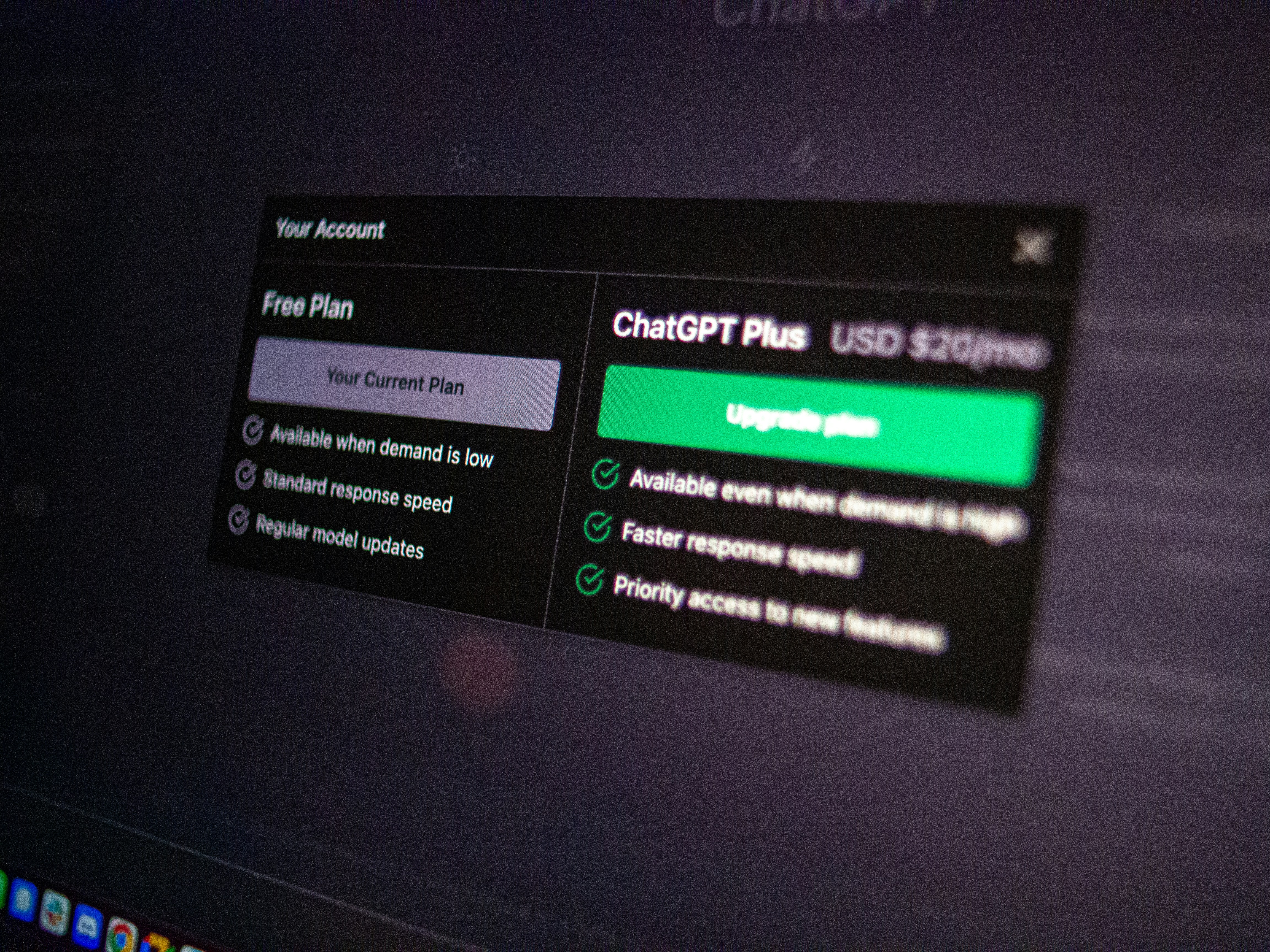
The adoption of GPT 5 brings not only technical but also budgetary considerations. Businesses must account for API usage fees, especially if their applications require processing large volumes of data or generating long responses. Expenses can vary based on the frequency and complexity of queries, as well as the need for fine-tuning and integrating the AI model into proprietary software.
In addition to direct costs, companies should evaluate potential returns, such as improved customer experiences, reduced operational overhead, or faster time-to-market. For many startups, these benefits are critical for attracting investors and achieving sustainable growth early on. Working with a partner like NightCoders can help founders manage these variables by offering transparent pricing and expert guidance throughout MVP development.
Ethical Concerns and Responsible AI Use
As AI GPT models become more powerful, ethical considerations remain at the forefront of innovation. Close attention must be paid to the risks of bias, misinformation, and unintended consequences arising from automated responses. Developers and business leaders should establish clear policies for monitoring and correcting outputs, especially in regulated industries like healthcare and finance.
Transparency with users about the presence of AI and regular audits of the technology can help maintain trust and accountability. Setting up mechanisms for human oversight, such as escalation flows for complex or sensitive interactions, ensures that the technology remains a tool for augmentation rather than a source of risk. Responsible use of GPT 5 is not only a legal expectation but also a key driver of long-term brand integrity.
Common Applications of GPT 5 Across Industries
GPT 5’s reach extends far beyond basic chatbots, with compelling applications across healthcare, education, marketing, and software development. In healthcare, AI GPT can help triage patient inquiries, generate medical summaries, and support clinical documentation, thereby freeing up professionals to focus on care delivery. Educational products are using GPT for intelligent tutoring, personalized feedback, and even content generation for new learning modules.
Marketing teams leverage GPT 5 for campaign ideation, segmentation, and personalized messaging, dramatically increasing the speed and relevance of outreach. Developers benefit from using GPT as a coding assistant or for documenting API endpoints, which enhances productivity and consistency. With such broad versatility, GPT 5 supports the rapid development and launch of MVPs across nearly every sector, making it an invaluable asset to modern teams.
Tutorial: How to Integrate AI GPT into Your Application
Integrating GPT 5 into your application is a straightforward process with the right tools and planning. You begin by signing up for access to the model’s API through your chosen provider. Once credentials are obtained, the next step is to make API calls from your backend using secure HTTP requests.
Below is a simple Python code snippet showing how to send a prompt to the GPT 5 API and receive a response:
import requests

url = "https://api.gpt5provider.com/v1/completions"
headers = {"Authorization": "Bearer YOUR_API_KEY"}
payload = {
  "model": "gpt-5",
  "prompt": "Write an email welcoming a new customer.",
  "max_tokens": 200
}

response = requests.post(url, headers=headers, json=payload)
print(response.json()['choices']['text'])
You can further customize the behavior by adjusting parameters such as temperature and max_tokens. Implementing logging and monitoring can help track performance and troubleshoot issues as you scale. Collaborating with experienced AI development teams helps ensure that integration efforts align with business goals and user expectations.
GPT 5 for Developers: Benefits and Tips
Developers who leverage GPT 5 can dramatically speed up the prototyping and deployment of new features. The expanded API functionality allows for rapid experimentation with different prompt structures and output formats, enabling agile iteration during MVP development. GPT 5’s support for longer context windows also makes it feasible to automate complex tasks like contract drafting, data analysis, or multi-step process orchestration.
To maximize value, engineers should take time to understand the model’s strengths and limitations. Testing outputs across a range of scenarios reveals edge cases and helps fine-tune system prompts for consistency. Integrating GPT 5 with existing CI/CD pipelines ensures smooth updates and enables quick adaptation to user feedback. Teams can standardize integration approaches for faster onboarding of new developers or contributors, simplifying ongoing product maintenance.
The Future of AI GPT and Language Models
Recent advancements in AI and natural language processing suggest that the capabilities of models like GPT 5 will continue to expand rapidly. As more businesses begin to trust AI for mission-critical tasks, the breadth of use cases will grow, spanning not only text but also visual, audio, and even multimodal applications. There is growing interest in models that can reason and plan across longer timescales, potentially enabling more autonomous AI agents for enterprise applications.
Enterprises and startups alike are paying close attention to the ethical implications of deploying these systems, with ongoing efforts to ensure responsible adoption. As regulatory frameworks evolve alongside the technology, ongoing education and vigilance will be crucial for all stakeholders. The continued partnership between human expertise and AI innovation is creating opportunities to solve complex problems at unprecedented speed and scale.
FAQs
What is GPT 5 and what are its new features?
GPT 5 is the latest generative AI language model, designed to provide longer context understanding, improved accuracy, and multimodal processing. Its core features include handling large documents, better conversational flow, and support for images and multiple data types.
How can I use AI GPT for customer service?
You can deploy GPT 5 as the core component of an intelligent chatbot or virtual assistant, allowing it to manage complex customer queries, escalate cases appropriately, and personalize responses based on user history and conversation context.
When will GPT 5 be widely available for commercial use?
Availability timelines may vary by provider, but many leading APIs and integration platforms already support GPT 5 access for business customers seeking advanced AI capabilities.
What are the cost considerations for using GPT 5?
Costs will be determined by the volume of API calls, response length, and whether you plan to fine-tune or use the model out of the box. It is important to budget for both initial integration and ongoing operational use to ensure sustainable implementation.
Can GPT 5 improve business automation?
Yes, GPT 5 significantly enhances automation across a range of workflows, from marketing and customer engagement to internal document processing and code generation. Its reliability and flexibility make it an asset for streamlining operations and accelerating innovation.