
1/15/2026
Exploring the Latest Developments in AI GPT and GPT-5
Discover the latest developments in GPT-5 including its advantages over GPT-4, business applications, integration strategies, fine-tuning methods, security considerations, and future AI predictions.
NightCoders

Introduction to AI GPT and the GPT-5 Evolution
Artificial intelligence has seen accelerated progress due to the development of advanced language models such as Generative Pretrained Transformers, or GPT. In recent years, the release of each new GPT model has marked a significant step forward for natural language processing. GPT-5, the latest iteration, introduces major improvements in text understanding, synthesis, and contextual reasoning. For founders and technology leaders who depend on language AI, GPT-5’s emerging capabilities enable new applications and smarter automation across multiple business functions. Companies like NightCoders - Launch your MVP in weeks, available at https://nightcoders.id, now harness AI GPT models to accelerate product launches and create high-impact digital experiences.
Key Differences: Comparing GPT-4 and GPT-5 Capabilities
Understanding the jump from GPT-4 to GPT-5 is crucial for businesses aiming to leverage state-of-the-art natural language models. GPT-5 outperforms its predecessor by using a more expansive training dataset and refined architecture, resulting in improved contextual awareness and more nuanced responses. This brings tangible value to sectors such as healthcare, customer service, and software development, where conversational ability and task-specific adaptation are critical. While GPT-4 set a previously high standard for fluency and coherence, GPT-5 adds greater accuracy in information recall, better adherence to instructions, and stronger capabilities in multi-turn conversations. Founders evaluating models for their startup solutions will notice GPT-5’s superior ability to generate code, summarize data, and facilitate reliable chatbot interactions for customer support.
Advantages of GPT-5 Over Previous Models
GPT-5 integrates advancements that resolve earlier challenges faced with previous GPT versions. One of the most prominent advantages is its capacity for rapid domain adaptation through few-shot or zero-shot learning, which enables organizations to tailor language models to specialized tasks with minimal data. Enhanced multilingual support allows startups to address new markets without extensive retraining. Additionally, GPT-5 displays more human-like conversational skills, better recognition of context shifts, and deeper understanding of user intent. These strengths make it a top choice for deploying AI-powered chatbots, automating content creation, and powering virtual assistants in fields ranging from marketing to engineering. For founders looking to validate ideas quickly, implementation of GPT-5 grants a head start in both efficiency and user satisfaction.
How to Use GPT-5 for Natural Language Processing (NLP)
The integration of GPT-5 within natural language processing unlocks innovative approaches for text classification, information extraction, and semantic search. Teams developing MVPs can employ GPT-5 to automatically process and analyze large volumes of unstructured data, offering real-time recommendations or insights. For text generation tasks, GPT-5 produces content that rivals professional human writers, which is invaluable for automating documentation, report creation, or customer engagement campaigns. Developers access GPT-5 primarily through API interfaces, streamlining integration with existing platforms or apps for tasks like entity recognition, sentiment analysis, and intelligent data querying. The resulting efficiencies help early-stage startups bring data-driven features to market in record time.
Top GPT-5 Based Applications for Businesses
Businesses across industries now rely on GPT-5 to solve real-world problems and improve operational performance. In healthcare, GPT-5 aids in medical record summarization and patient communication workflows, addressing both compliance and quality demands. E-commerce uses GPT-5-powered chatbots to guide shoppers, resolve queries, and drive conversions at scale. In the marketing sector, founders benefit from AI-driven content generation that personalizes messaging across channels. Automation of customer support, document drafting, and business intelligence reporting demonstrates the broad utility of this technology when embedded into core products and services. With continuous fine-tuning, GPT-5-based applications adapt to evolving business needs, helping teams at every stage from MVP to scaling.
Steps to Access OpenAI GPT-5 Beta and API
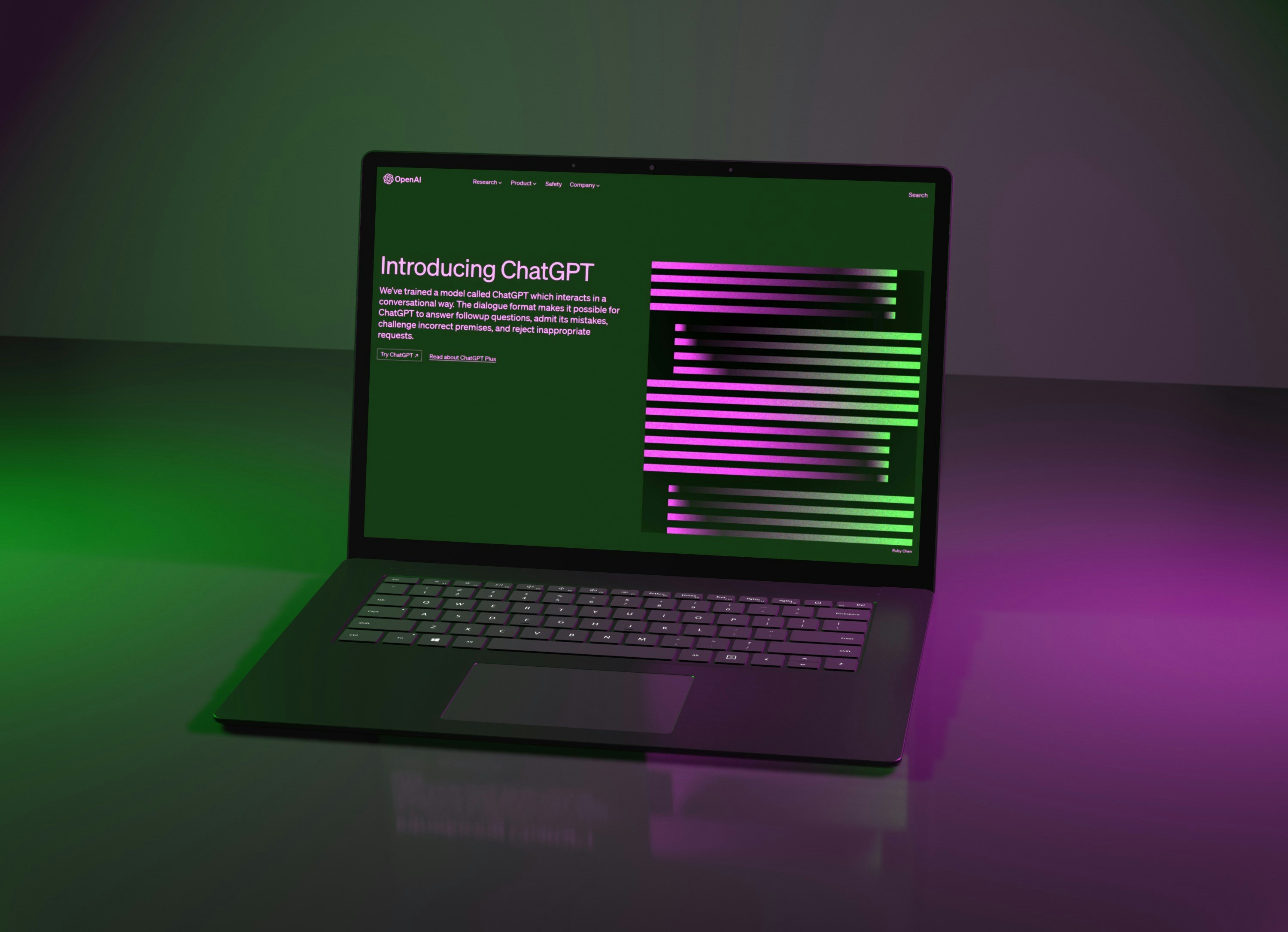
Entrepreneurs looking to integrate GPT-5 into their solutions must first secure access to the OpenAI beta program or relevant API endpoints. This process typically involves joining a waitlist, submitting an application that outlines intended use cases, and adhering to usage guidelines focused on security and ethical AI deployment. Once access is granted, developers utilize the provided API keys to connect their products or services to GPT-5’s endpoints. Robust documentation supports seamless onboarding for functions like chat completion, code generation, and custom fine-tuning. Many startups partner with experienced AI development teams, such as those at NightCoders, to accelerate API implementation and ensure fully-compliant application deployment.
GPT-5 Integration With Existing AI Platforms
Adopting GPT-5 for business use involves careful integration with current AI tool sets and platforms. Modern cloud-based environments facilitate this process via SDKs and connectors, allowing GPT-5 to augment search, business analytics, or robotic process automation pipelines. For example, companies can embed GPT-5 in Microsoft Azure or Google Cloud-based products, extending their platform’s capabilities for advanced question-answering, document analysis, or knowledge base enhancement. Seamless interoperability is vital for maximizing ROI and maintaining workflow efficiency. IT leaders work closely with product developers to ensure secure, low-latency connections between GPT-5 APIs and business-critical systems.
How GPT-5 Improves AI Conversational Abilities
GPT-5’s architecture has been meticulously designed to mimic intricate human conversational patterns, enabling virtual agents to handle complex discussions and nuanced requests. Each interaction benefits from longer context retention and better handling of ambiguous prompts. This is especially useful for AI-powered customer service, where the model needs to address multi-part questions and remember previous details in ongoing discussions. Companies have also noted significant improvements in tone adaptation and emotional intelligence, allowing AI systems to adjust their responses to fit the mood and expectations of users. This makes GPT-5 a vital asset for any founder aiming to deliver outstanding, natural-sounding digital interactions.
Use Cases of AI GPT in Healthcare
The integration of GPT-powered AI in healthcare has sparked substantial advancements in both clinical and operational processes. GPT-5 models power virtual triage tools that help route patients to appropriate care providers by collecting and summarizing symptoms rapidly. Medical professionals use GPT-driven systems to draft examination reports, streamline prior authorization requests, and extract actionable insights from research literature. For multilingual hospitals, GPT-5 facilitates accurate translation and ensures compliance with privacy regulations. These capabilities improve not only the speed of patient care but also the consistency and safety of health data management. Healthtech startups leveraging GPT technology find themselves more competitive in delivering patient-centric digital products.
How to Fine-Tune GPT-5 Models for Specific Tasks
Fine-tuning GPT-5 enables organizations to customize the model for industry-specific language and workflows. The process begins by gathering a dataset that reflects the desired knowledge domain, including jargon, formats, and problem scenarios relevant to the business. Developers use the OpenAI API or local training pipelines to adjust GPT-5 weights, optimizing the model for output style, accuracy, or compliance requirements. This approach is especially popular in regulated industries where privacy, terminology, and document templates vary greatly from general applications. Fine-tuned GPT-5 systems become powerful assets, automating complex drafting tasks or providing expert-level advice with contextual relevance.
Security Concerns With AI GPT Applications
Employing GPT-5 within business environments necessitates a diligent focus on cybersecurity and responsible AI use. The advanced nature of GPT-5 means it can generate highly realistic yet potentially sensitive or misleading content if not properly monitored. Companies mitigate risk by implementing content filtering, human review processes, and robust authentication for API access. Privacy remains a dominant concern, especially when dealing with personal or regulated information in healthcare and finance sectors. Organizations adopting GPT-5 must adhere to strict data handling regulations and ethical guidelines, ensuring safe and trustworthy AI interactions for all end users.
Future Predictions for GPT and AI Technology Upgrades
Looking ahead, the evolution of GPT technology points to even greater personalization, multimodal comprehension, and adaptive learning. Experts anticipate that upcoming versions will integrate visual and auditory signals, enabling more immersive human-AI collaboration across a broader range of digital products. Continuous pretraining on up-to-date, diverse datasets will reduce bias and improve relevance for international markets. Founders can expect faster, more agile APIs and better tools for low-code or no-code AI model customization. As AI models like GPT-5 become embedded in everyday business platforms, startups that act quickly stand to capture outsized gains in efficiency and user engagement.
FAQs
What is GPT-5 and how does it differ from earlier models?
GPT-5 is a state-of-the-art language model distinguished by its larger data training set, refined architectures, and improved contextual awareness. Compared to prior versions, it offers better performance in understanding and generating complex text, enhanced conversational ability, and more robust support for customization across industries.
How can founders access the GPT-5 API for their startups?
Access to the GPT-5 API typically begins with joining an OpenAI waitlist or beta program. After application and approval, founders receive API keys and documentation for seamless integration with their digital products or business processes.
What are the main business benefits of using GPT-5-based applications?
GPT-5-based applications automate workflows, generate high-quality content, augment customer service, enhance data analysis, and drive personalized user engagement. These benefits provide startups with a competitive advantage in speed, scale, and customer satisfaction.
Is GPT-5 secure for handling sensitive business or healthcare data?
Yes, GPT-5 can operate securely with adequate implementation of data privacy protocols, content moderation, and access controls. Adhering to industry-specific regulations and ethical standards is essential for maintaining the security and trustworthiness of GPT-powered solutions.
Can GPT-5 be customized for specific industry vocabulary or workflows?
Fine-tuning GPT-5 allows organizations to tailor the model for unique language, formatting, or compliance needs in legal, medical, technical, or marketing contexts. This ensures more relevant outputs and improved task performance for that specific sector.